Why furnaces fail on the first cold night
In Charlotte, a gas furnace can sit idle for seven months, then run hard for a week straight when an Arctic front comes through in January. Dust settles on flame sensors, igniters crack, and pressure switch tubes clog with debris over the summer. The first real cold night is when those small problems show up.
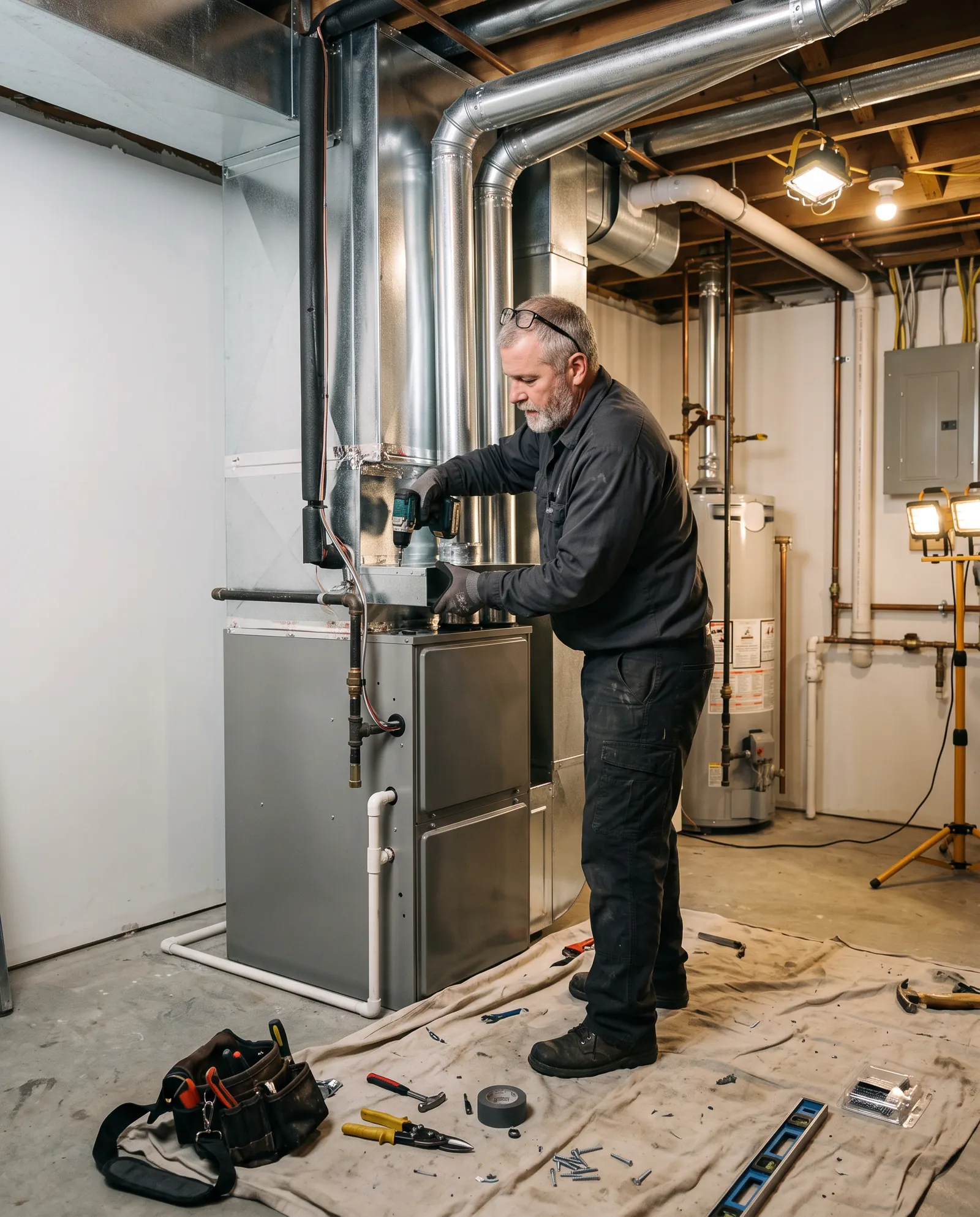
A fall tune-up is the simplest fix. We clean the flame sensor, test the igniter, check the heat exchanger for cracks, and measure gas pressure and carbon monoxide levels. Most no-heat calls we answer in December could have been caught in October.
Gas, electric and dual-fuel homes
Heating around Charlotte is a mix. Older homes in Myers Park, Dilworth and Plaza Midwood often have gas furnaces in the basement or crawl space. Many newer homes in Ballantyne and Huntersville have furnaces in the attic, which means extra checks on venting and condensate lines.
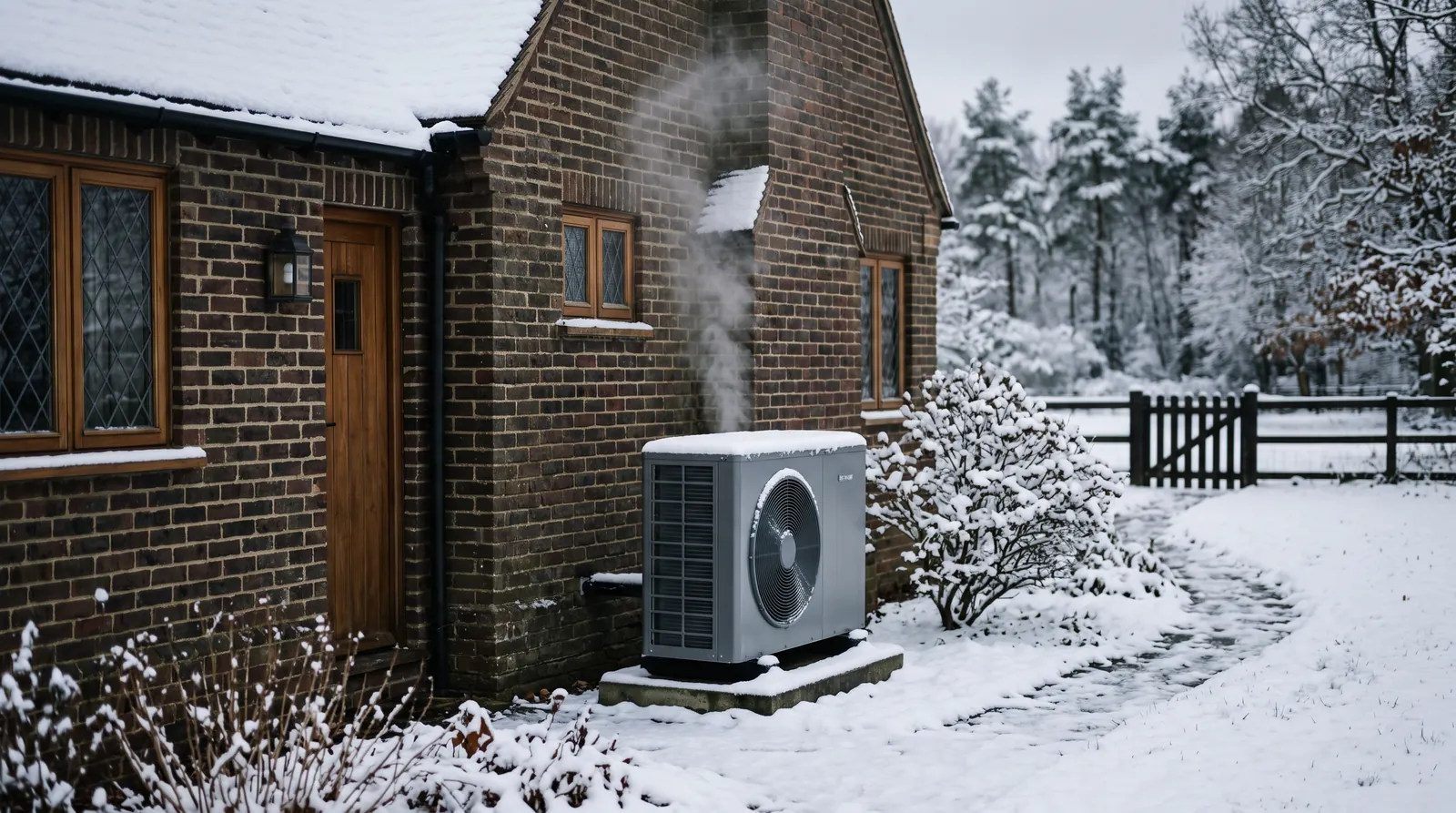
More and more homes use a dual-fuel setup: a heat pump handles mild days and a gas furnace takes over when it gets below freezing. We service all three types, and we can tell you whether your current system is the right fit for how you use your home.
Safety comes first with gas heat
Every heating visit includes a carbon monoxide check. A cracked heat exchanger or blocked flue can put carbon monoxide into your living space, and you will not smell it. We recommend a working CO detector on every floor and near every bedroom.
If we find an unsafe condition, we will show you exactly what we found with photos and explain your options. We will never tag a furnace as dangerous to sell a new one. If you want a second look, we will tell you that is a reasonable thing to ask for.