For most Charlotte homes, a heat pump is the better choice, and a dual-fuel system is best if you already have gas. Our winters are mild enough that a heat pump handles most days efficiently. A gas furnace makes sense as backup for the handful of nights that drop into the teens.
Key takeaways
- Charlotte's average winter lows sit in the low 30s, which suits modern heat pumps well.
- If your home already has gas, dual fuel gives you heat pump savings with furnace backup.
- All-electric homes with old strip heat usually save the most by switching to a heat pump.
- Sizing, ductwork and installation quality matter as much as the equipment you choose.
Is a heat pump or a furnace better for Charlotte winters?
Charlotte sits in a sweet spot for heat pumps. Average January lows are around 30 degrees, and most winter days climb into the 40s or 50s. A heat pump moves heat from the outside air into your home instead of burning fuel to create it, and at those temperatures it delivers two to three units of heat for every unit of electricity it uses.
A gas furnace still has a place. On the few nights a year when temperatures fall into the teens, a furnace delivers hot air quickly and steadily, and some homeowners simply prefer the feel of it. That is why the most common recommendation we make in Charlotte is not one or the other. It is often both, working together.
How does a heat pump work when it is cold outside?
Even at 25 degrees, outdoor air holds plenty of heat. A heat pump uses refrigerant to absorb that heat outside and release it indoors, much like an air conditioner running in reverse. Modern cold-climate models keep producing useful heat into the single digits.
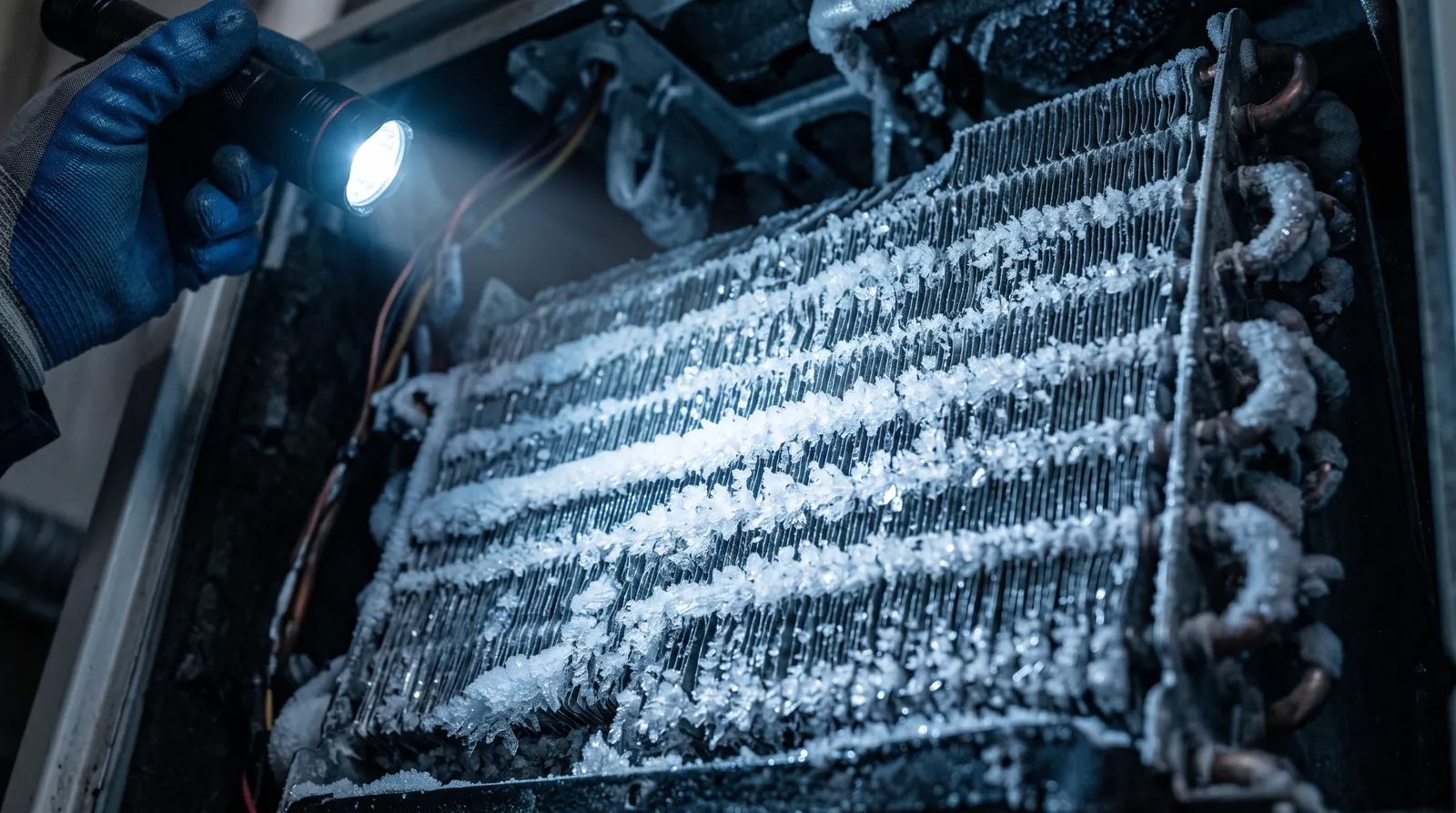
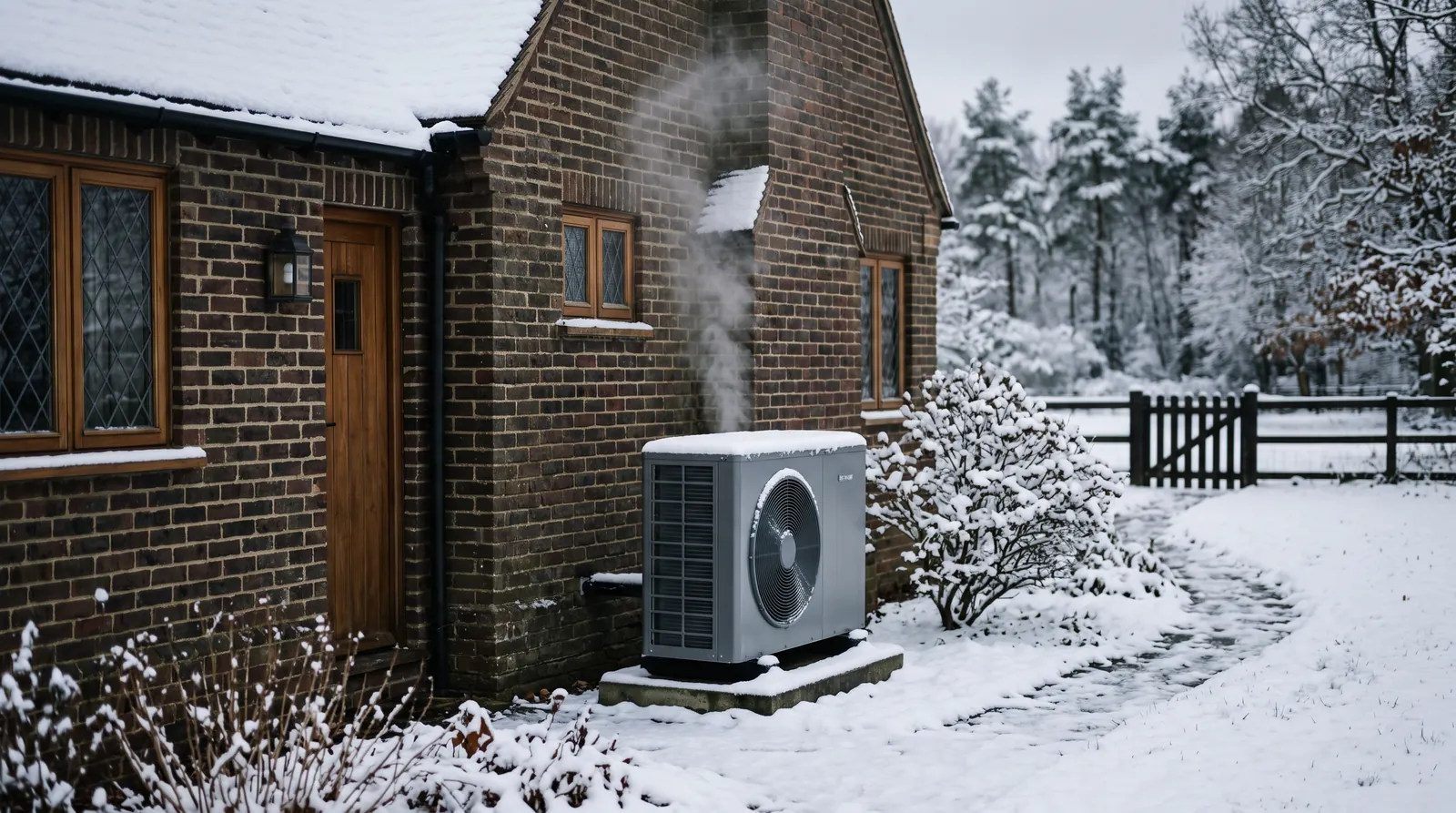
Two things surprise new heat pump owners. First, the air from the vents feels warm rather than hot, around 90 to 100 degrees instead of the 120 or more a furnace blows. The house still reaches the temperature you set; it just gets there more gently. Second, in cold, damp weather the outdoor unit runs a short defrost cycle, and you may see steam rise off it for a minute or two. Both are normal.
What does it cost to install each option in Charlotte?
Prices vary with home size, ductwork condition and efficiency level, but these are typical 2026 installed ranges we see across the Charlotte area for a single system in an average-size home. Your quote may be higher or lower after a load calculation.
- Higher-efficiency equipment costs more upfront and lowers monthly bills.
- Federal tax credits and Duke Energy or Piedmont Natural Gas rebates may apply to some systems, so check current eligibility.
- Ductwork repairs, new line sets and electrical upgrades can add to the total.
| System type | Typical installed cost | Best for |
|---|---|---|
| Gas furnace only (replacing an old furnace) | $4,500 to $8,000 | Homes keeping a newer AC |
| Gas furnace plus new AC | $10,000 to $17,000 | Homes with gas that want familiar heat |
| Heat pump with air handler | $8,000 to $16,000 | All-electric homes |
| Dual fuel: heat pump plus gas furnace | $11,000 to $19,000 | Homes with existing gas |
| Ductless mini-split, per zone | $4,000 to $7,500 | Additions, bonus rooms, older homes without ducts |
Which costs less to run, a heat pump or gas?
In Charlotte, a heat pump is usually cheaper to run than a gas furnace for most of the winter. When it is 40 degrees outside, a heat pump is often two or three times more efficient than electric strip heat and competitive with or cheaper than gas at typical local rates.
As temperatures drop into the 20s and teens, heat pump efficiency falls and gas often becomes the cheaper option for those hours. A dual-fuel thermostat handles this automatically. We set the changeover point, often somewhere between 25 and 35 degrees, based on your utility rates and how you like your home to feel.
For all-electric homes still heating with old electric furnaces or heat strips, switching to a heat pump is one of the biggest bill reductions we see. Many of those homeowners notice the difference in the first January.
Is dual fuel worth it if I already have gas?
Often, yes. Many Charlotte homes, especially in Matthews, south Charlotte and Fort Mill, were built with a gas furnace and an electric air conditioner. When that air conditioner wears out, replacing it with a heat pump instead of another AC usually adds a modest amount to the cost.
You keep the gas furnace for cold snaps and gain an efficient heat source for the rest of winter. The heat pump also cools all summer, just like the AC it replaced. If your furnace is also near the end of its life, replacing both together as a matched dual-fuel system simplifies the warranty and usually saves on labor.
What should I ask before choosing a system?
The right system depends on your home, not just the equipment. Before you sign anything, make sure your contractor can answer these questions clearly.
- Did you run a room-by-room load calculation, or size it from my old system?
- What are the SEER2 and HSPF2 ratings, and what will that mean for my bills?
- Will my existing ductwork support the new system, or does it need work?
- Where will the dual-fuel changeover be set, and why?
- What does the warranty cover, for how long, and who handles claims?
Our recommendation for most Charlotte homes
If you have gas and your furnace is in good shape, add a heat pump when your AC needs replacing. If you are all electric, a properly sized heat pump, with backup heat strips set to run only when needed, is the clear choice. If you want the quietest, most even comfort, look at a variable-speed heat pump.
Whatever you choose, the install matters as much as the box. A correctly sized system on good ductwork will outperform a premium system on leaky ducts every time. Our comfort advisors measure first and give you written options at three price points, with no pressure to decide that day.
Frequently asked
Will a heat pump keep my house warm when it is 15 degrees?
A properly sized modern heat pump will still heat your home at 15 degrees, though it works harder and may use backup heat. Cold-climate models perform well into the single digits. For homes with gas, a dual-fuel system lets the furnace take over on those nights automatically.
How long do heat pumps last in Charlotte?
Heat pumps in Charlotte typically last 12 to 15 years, a bit less than a furnace because they run year round for both heating and cooling. Twice-yearly maintenance, clean filters and clear space around the outdoor unit help them reach the upper end of that range.
Can I add a heat pump to my existing gas furnace?
Often, yes. If your furnace is in good condition and has a compatible blower, we can replace your air conditioner with a heat pump and set up dual-fuel controls. We check the furnace's age, blower and controls first to make sure the pairing makes sense.
Are there rebates for heat pumps in North Carolina?
Federal tax credits and utility rebates have been available for qualifying high-efficiency heat pumps, but programs and amounts change. Check current eligibility with the IRS and your utility before you buy. Our comfort advisors can point you to the current programs we know of.
Written by the people who fix and install Charlotte HVAC systems every day.