
Quick answer
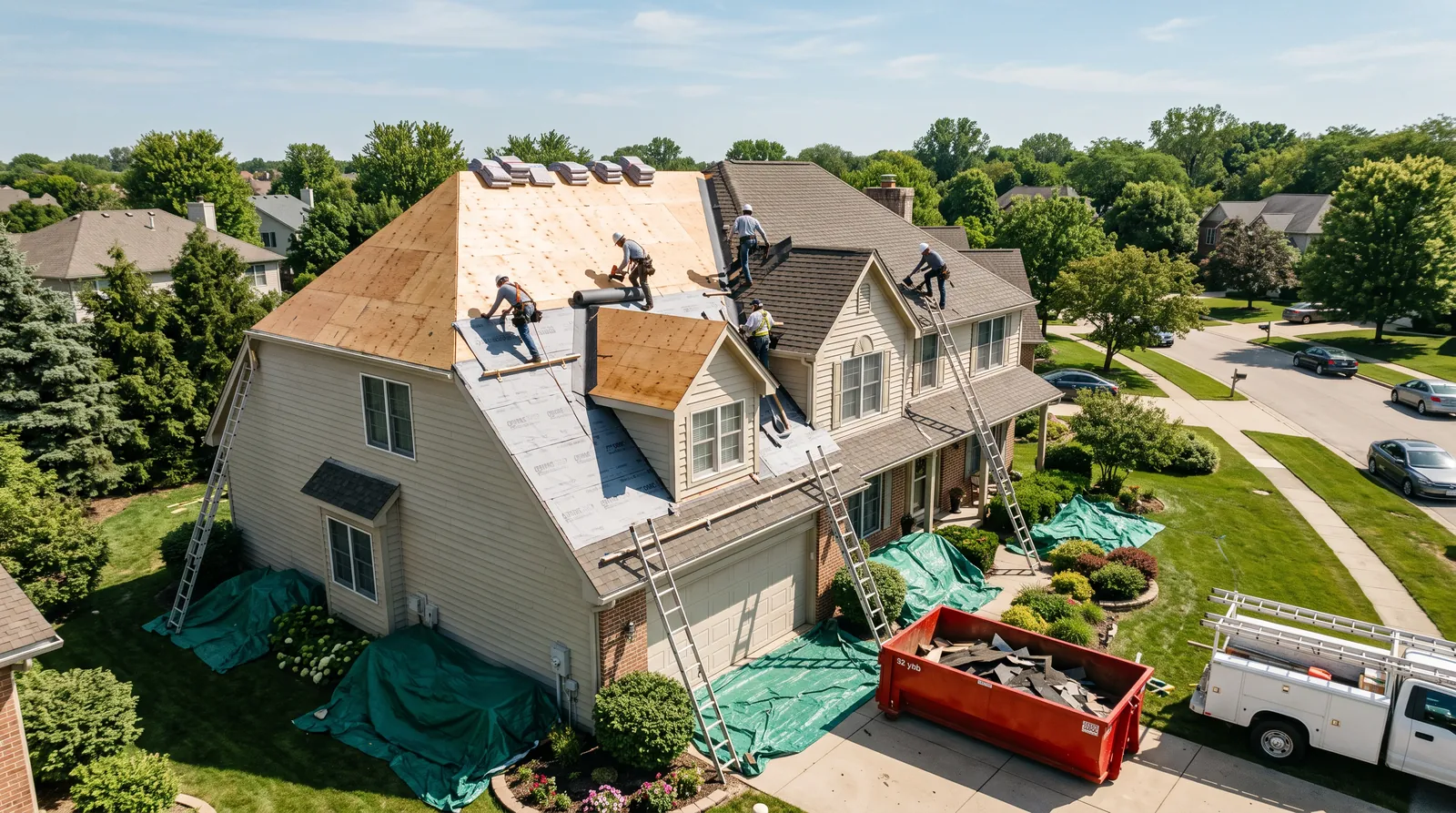
A roof replacement in Austin typically costs $14,000 to $24,000 in 2026 for a 2,500 square foot home with architectural or Class 4 shingles. Standing-seam metal usually runs $30,000 to $54,000. These are typical ranges, and your price depends on roof size, pitch, layers, decking condition and material.
Key takeaways
- Most Austin shingle roofs fall between $450 and $800 per square installed.
- Pitch, complexity and decking repair move the price more than the shingle brand.
- Class 4 shingles cost more up front but may earn an insurance discount.
- Ask for a fixed price per option so the number you sign is the number you pay.
What is the average cost to replace a roof in Austin?
Roofers price by the square, which is 100 square feet of roof surface. A typical 2,500 square foot Austin home has about 28 to 32 squares of roof once you account for pitch and overhangs. With architectural shingles, most homes in the city land between $14,000 and $20,000. Upgrading to Class 4 impact-rated shingles moves that to roughly $17,000 to $24,000.
Those numbers include tear-off, underlayment, flashing, ventilation, disposal and cleanup. They are typical ranges from projects across Austin, Round Rock and the Hill Country in 2026, not a quote. Your price depends on the specifics of your roof, which is why an inspection with real measurements matters.
How much does each roofing material cost per square?
Material is the biggest single choice you make. The table below shows typical 2026 installed ranges for Central Texas, per square and for a 30-square roof, which is common for a two-story home of about 2,500 square feet.
| Material | Typical cost per square | Typical 30-square roof | Expected life here |
|---|---|---|---|
| Architectural shingles | $450 to $650 | $14,000 to $20,000 | 15 to 22 years |
| Class 4 impact-rated shingles | $550 to $800 | $17,000 to $24,000 | 20 to 30 years |
| Designer impact-rated shingles | $750 to $1,000 | $22,000 to $30,000 | 25 to 35 years |
| Stone-coated metal | $900 to $1,300 | $27,000 to $39,000 | 40 to 50 years |
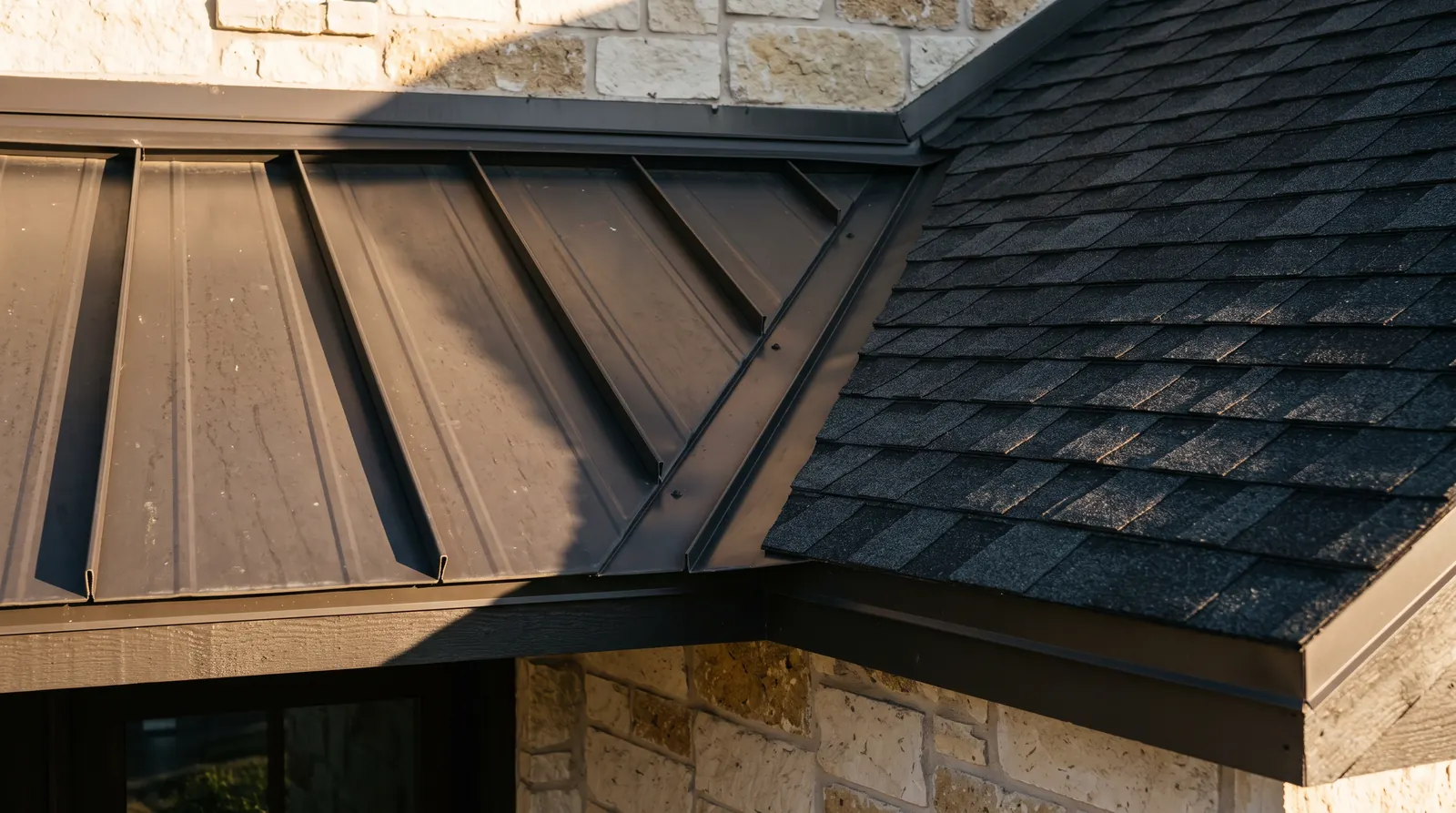
| Standing-seam metal | $1,000 to $1,800 | $30,000 to $54,000 | 40 to 60 years |
| Concrete tile | $1,000 to $1,600 | $30,000 to $48,000 | 40 to 50 years |
What makes one Austin roof cost more than another?
Two homes with the same square footage can differ by $8,000 or more. The shingle itself is rarely the reason. Labor, safety setup and the details around the roof drive most of the gap.
- Pitch: roofs steeper than about 8/12 need extra safety equipment and slow the crew down.
- Complexity: every valley, dormer, skylight and wall transition adds flashing and labor.
- Layers: older central Austin homes may have two or three layers to tear off.
- Decking: soft or rotted plywood is replaced by the sheet, typically $85 to $120 each.
- Access: steep driveways, tight lots and pools add protection and haul time.
- Ventilation: adding ridge vent or intake vents adds cost but extends roof life.
Is a Class 4 impact-rated roof worth the extra cost in Texas?
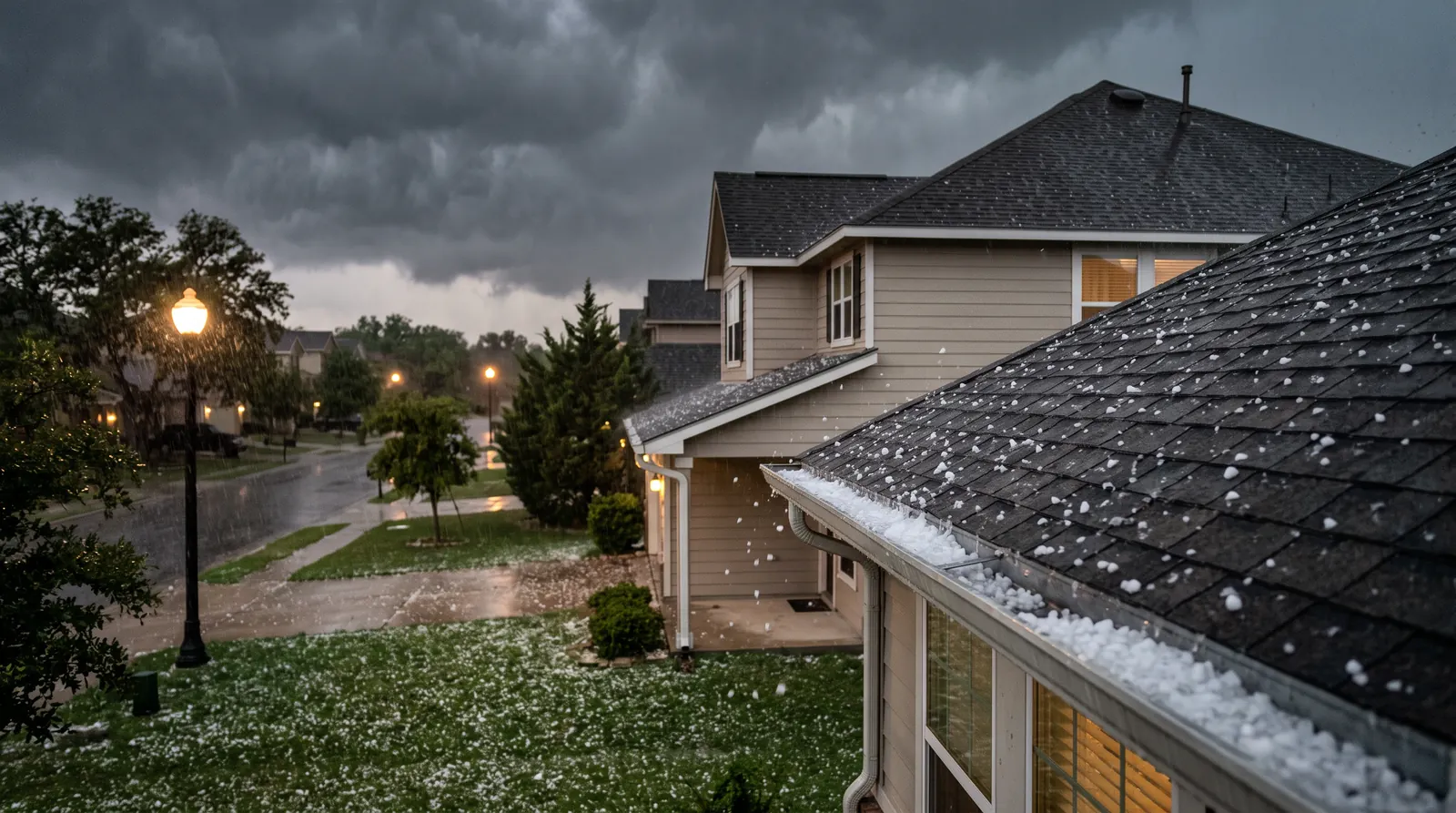
For most Central Texas homes, we think so. Hail season here runs roughly March through June, and a single storm can end the life of a standard shingle roof. Class 4 shingles pass the highest standard impact test, which makes them more likely to survive moderate hail without damage.
Many Texas insurers offer a premium discount for Class 4 roofs. The amount varies widely by carrier, so call your agent before deciding. When the discount is meaningful, the upgrade can pay for a large share of itself over the life of the roof, and you avoid the disruption of another claim.
How does insurance change what you pay?
If a covered storm damaged your roof, your insurer may pay for most of the replacement. You pay the deductible, which in Texas is often a percentage of your dwelling coverage, commonly 1 to 2 percent. On a home insured for $500,000, a 2 percent deductible is $10,000. Texas law prohibits roofers from waiving or covering it.
Upgrades beyond like-for-like replacement, such as moving from standard shingles to metal, are usually yours to pay. Policies differ, so read yours or ask your agent. This is general guidance, not insurance or legal advice.
What costs can show up after a roof replacement starts?
The most common surprise is decking. Nobody can see every sheet of plywood until the old shingles come off, and heat, past leaks and poor ventilation can leave some of it soft. A fair proposal lists a per-sheet price in advance, so a few bad sheets add a few hundred dollars, not an open-ended change order.
Other items worth asking about before you sign: removal of extra layers, replacing rotted fascia boards, new gutters if the old ones will not survive drip edge replacement, and skylight flashing kits or new skylights. Code items can matter too. If your old roof lacked proper drip edge or ventilation, the new one should include it, and that belongs in the price from the start.
Permit fees, dumpster fees and cleanup should never be extras. If a proposal separates them, add them back in before comparing bids. The lowest number on paper is not always the lowest number on the final invoice.
How do you get an accurate roof price in Austin?
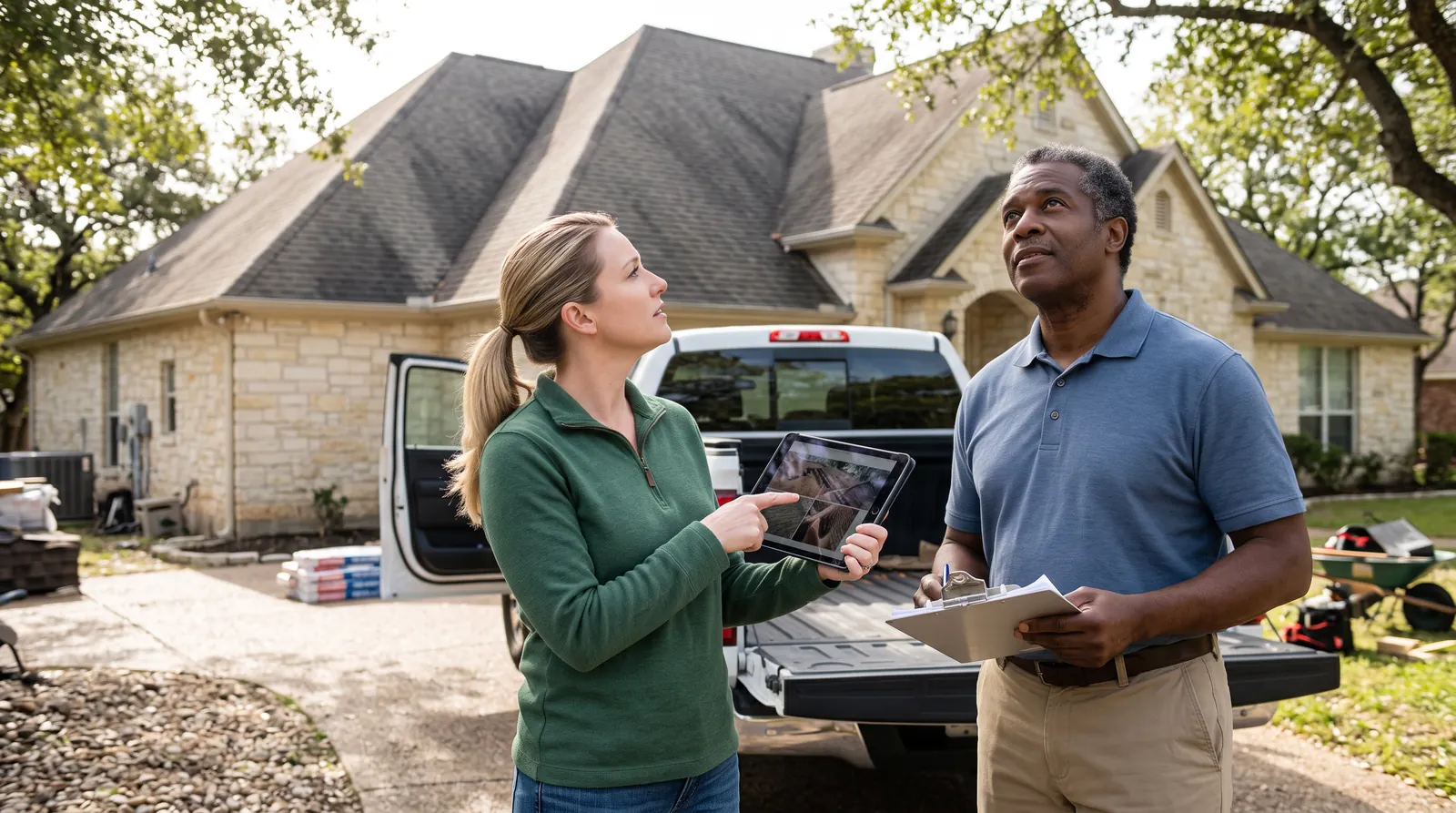
Ask for an inspection that includes drone photos, attic photos and written measurements, not a number shouted from the driveway. Then ask for options, each at one fixed price, with any possible extras such as decking listed at a per-sheet rate. That keeps the final invoice close to the proposal.
Finally, confirm who is doing the work. Many companies sell the job and hand it to a subcontracted crew. Ask whether the installers are employees, how long the workmanship warranty lasts, and whether the company will still have a local office in ten years. At Hartline, every roof is installed by our own crews, and our proposals list good, better and best options at one fixed price each.
Frequently asked questions
How much does a new roof cost per square foot in Austin?
Most shingle roofs in Austin run about $4.50 to $8.00 per square foot of roof surface installed in 2026, and metal runs about $9 to $18. Remember that roof area is larger than your home's floor area because of pitch and overhangs, so multiply carefully or ask for measured drone numbers.
When is the best time of year to replace a roof in Austin?
Fall and early winter are usually easiest to schedule, since spring hail season and early summer are the busiest. That said, prices vary more by material and roof than by season. If your roof is leaking or damaged, do not wait for a slower month, since water damage costs more than any seasonal difference.
Does a new roof increase home value in Austin?
A new roof usually helps a home sell faster and avoids buyer repair requests, and appraisers and inspectors notice roof age. It rarely returns 100 percent of its cost in sale price alone. Class 4 and metal roofs can be a selling point to buyers who know about Central Texas hail.
Can I finance a roof replacement?
Many homeowners pay with savings, insurance proceeds or a home equity line. Some roofing companies offer financing through third parties at varying rates. Compare the total cost of any loan, not just the monthly payment, and make sure the roof price is fixed before you choose how to pay.
Related services