
Quick answer
Metal roofs cost about two to three times more than shingles in Central Texas but can last 40 to 60 years, reflect more heat and handle wind well. Class 4 shingles cost less up front and hide hail better. If you plan to stay 15 years or more, metal often wins on lifetime cost.
Key takeaways
- Shingles cost less today, while metal usually costs less per year of service.
- Metal can dent in large hail, and some policies exclude cosmetic damage.
- Cool-rated metal finishes can lower attic temperatures in summer.
- Your plans for the home matter as much as the material.
Is a metal roof better than shingles in Texas?
Neither is better for every home. I have been roofing in Central Texas since 1998, and the right answer usually comes down to three questions: how long you plan to stay, how much hail risk you are willing to carry, and what your home and HOA call for.
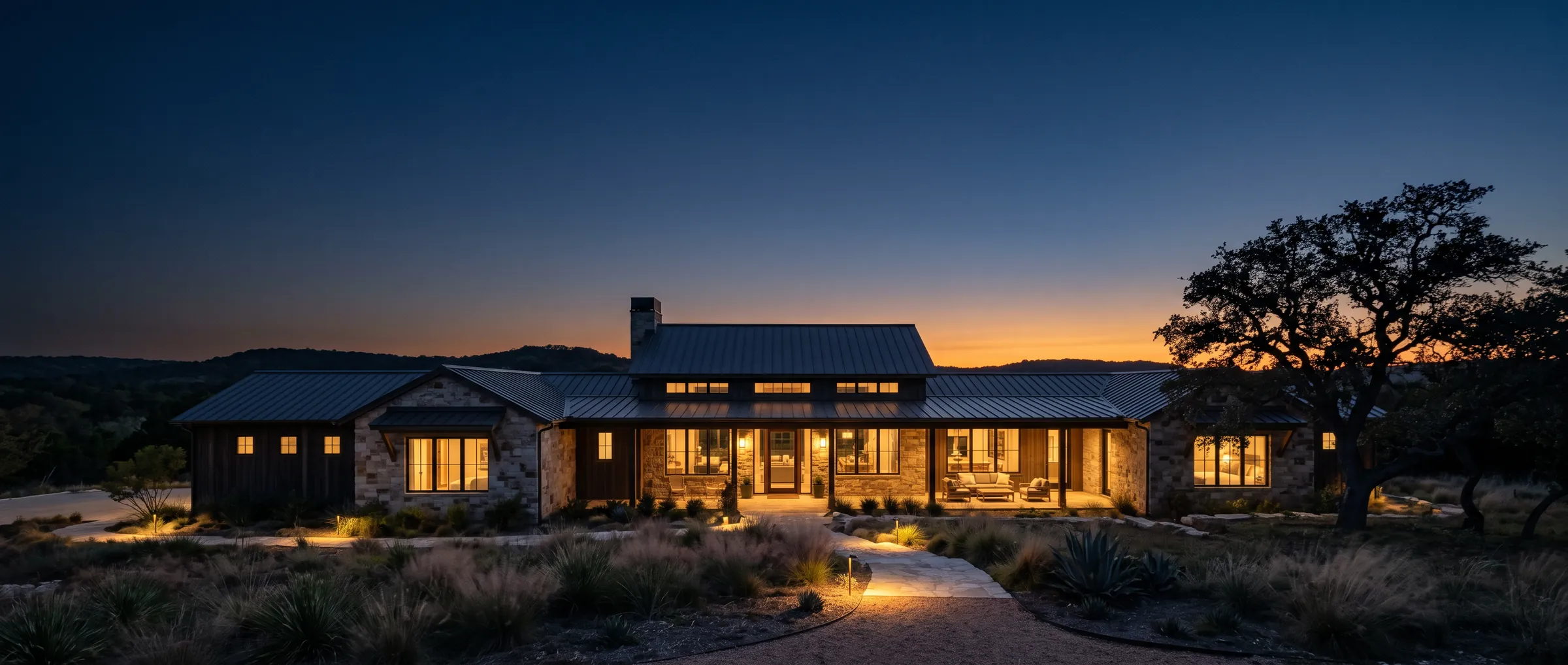
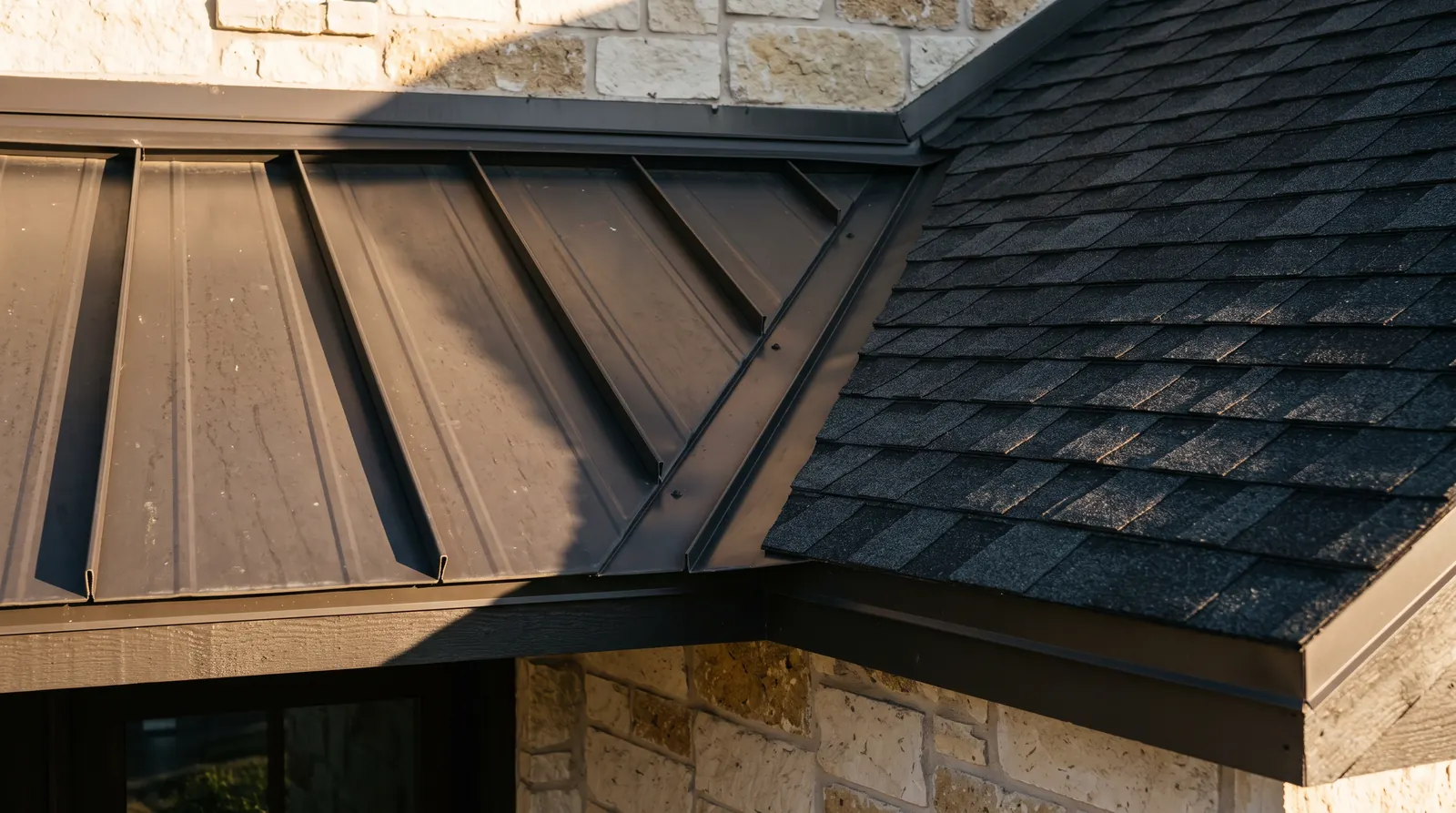
Metal is the stronger long-term product. It lasts decades longer, sheds heat better and holds up to wind. Shingles, especially Class 4 impact-rated shingles, cost far less up front and are simpler to repair. For a family planning to sell in five to eight years, shingles are often the smarter spend. For a home you plan to keep, metal deserves a close look.
How do metal and shingle roofs compare side by side?
Here is how the two most common choices compare on a typical 30-square Central Texas roof in 2026. These are typical ranges, and your price depends on pitch, complexity and access.
| Factor | Class 4 shingles | Standing-seam metal |
|---|---|---|
| Typical installed cost | $17,000 to $24,000 | $30,000 to $54,000 |
| Expected life in Central Texas | 20 to 30 years | 40 to 60 years |
| Hail performance | Resists moderate hail, bruises in large hail | No leaks from most hail, may dent cosmetically |
| Heat and energy | Absorbs more heat unless cool-rated | Reflects more sun, especially in light finishes |
| Wind | Good when fastened to high-wind specs | Excellent with a correct clip system |
| Repairs | Simple and inexpensive | Specialized, fewer needed |
| Typical install time | 1 day | 2 to 4 days |
Does hail damage metal roofs?
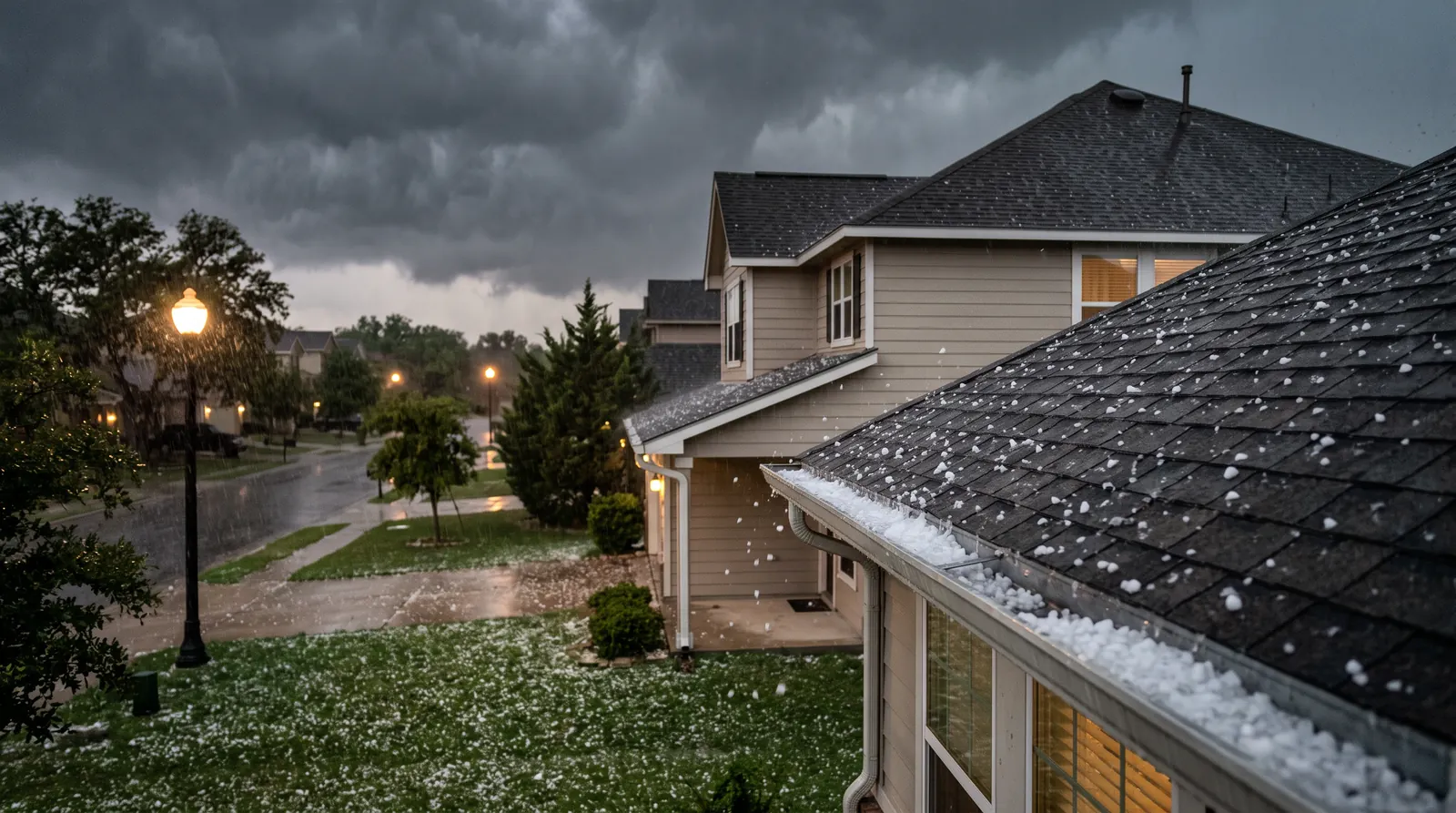
Large hail can dent metal, particularly thinner panels and darker smooth finishes where dents catch the light. But dents are usually cosmetic. The panel still sheds water, and the roof keeps protecting the home. With shingles, hail damage breaks the surface, and the roof starts aging faster from that day on.
That difference matters for insurance. Some Texas policies exclude cosmetic damage to metal roofs, meaning dents that do not affect function are not covered. Ask your agent before you choose, and consider heavier 22 gauge panels or stone-coated metal, which show dents less.
Will a metal roof keep my house cooler?
Often, yes. Metal with a light or cool-rated finish reflects much more sunlight than a standard dark shingle, which keeps the roof deck and attic cooler on long summer afternoons. That can reduce the load on your air conditioner, though savings depend on your attic insulation, ductwork and ventilation.
Shingles are catching up. Some impact-rated shingles now use reflective granules, and good attic ventilation makes a big difference on any roof. If cooling is a priority, look at the whole system, not only the surface.
What about stone-coated metal and designer shingles?
Standing seam and Class 4 shingles are not the only choices. Stone-coated metal sits between them. It is steel formed into the shape of shingles, shake or tile, then coated with stone granules. It carries very high impact ratings, hides small dents well and usually costs $27,000 to $39,000 on a 30-square roof. For homeowners who want metal performance with a traditional look, or an HOA that prefers it, stone-coated is often the answer.
Designer impact-rated shingles sit at the top of the shingle range. They are thicker, with deeper shadow lines that imitate slate or shake, and some include reflective granules. Expect roughly $22,000 to $30,000 on the same roof. They make sense for homeowners who want a premium look and strong hail resistance without the cost or install time of metal.
Concrete tile still appears on many Lakeway and West Austin homes. It lasts a long time but is heavy and can crack in large hail. When tile roofs come due, many owners switch to metal.
Which roof costs less over its lifetime?
Divide cost by expected life to compare. A $20,000 Class 4 shingle roof that lasts 22 years costs about $900 a year. A $42,000 standing-seam roof that lasts 50 years costs about $840 a year, and it avoids at least one tear-off and replacement along the way.
Add possible insurance discounts, fewer repairs and lower cooling bills, and metal often comes out ahead for long-term owners. The math flips when you plan to move soon, since you pay the premium today and a buyer enjoys most of the benefit. Buyers do value metal, but rarely dollar for dollar.
Will my HOA allow a metal roof?
More associations allow it than a decade ago. Texas law gives homeowners some protection when choosing impact-resistant, energy-efficient and solar-ready roofing, though associations can still require materials to fit the neighborhood's appearance and set color rules. In practice, standing seam is widely approved in newer Hill Country communities, while stone-coated metal that looks like shingle or tile is easier to approve in traditional neighborhoods.
Start with your association's guidelines and submit samples and photos with your request. We prepare these submittals for clients every week. For many families the choice comes down to what feels right for the house, and either material, installed well, will serve a Central Texas home for a long time.
Frequently asked questions
Can you put a metal roof over shingles?
Some metal systems can be installed over one layer of shingles, but we rarely recommend it in Central Texas. Tearing off lets us inspect and repair the decking, install proper underlayment and avoid trapping heat and moisture. It also keeps the roof within manufacturer requirements for the longest warranty.
Do metal roofs attract lightning?
No. Metal roofs do not make a strike more likely. Lightning risk depends on a home's height, terrain and nearby trees, not on roofing material. If lightning does strike, a metal roof is noncombustible and spreads the energy across a wide surface, which can make it a safer place for a strike to land than wood or asphalt.
What color metal roof is best for Texas heat?
Lighter colors and finishes labeled cool-rated reflect the most sunlight. Whites, light grays and tans perform best, but many medium and dark colors now use reflective pigments that perform better than older finishes. Check your HOA's palette first, then compare reflectance ratings among allowed colors.
Do Class 4 shingles qualify for insurance discounts?
Many Texas insurers offer premium discounts for Class 4 impact-rated roofs, and some also recognize certain metal roofs. Discounts vary by carrier and can change, so ask your agent what applies. Keep the certificate and product documentation from your installer, since your agent may need them.
Related services