
What cold snaps and big swings do
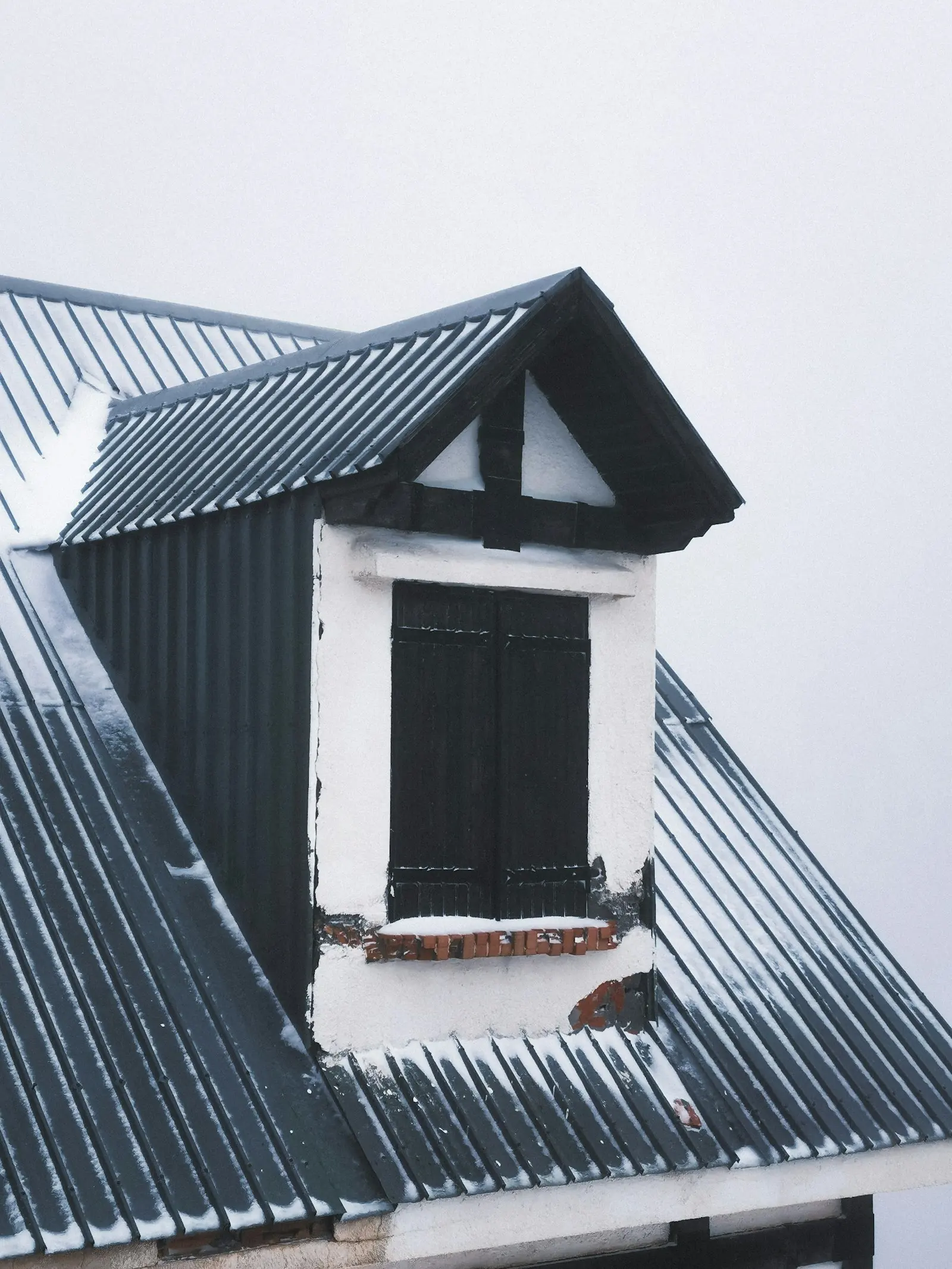
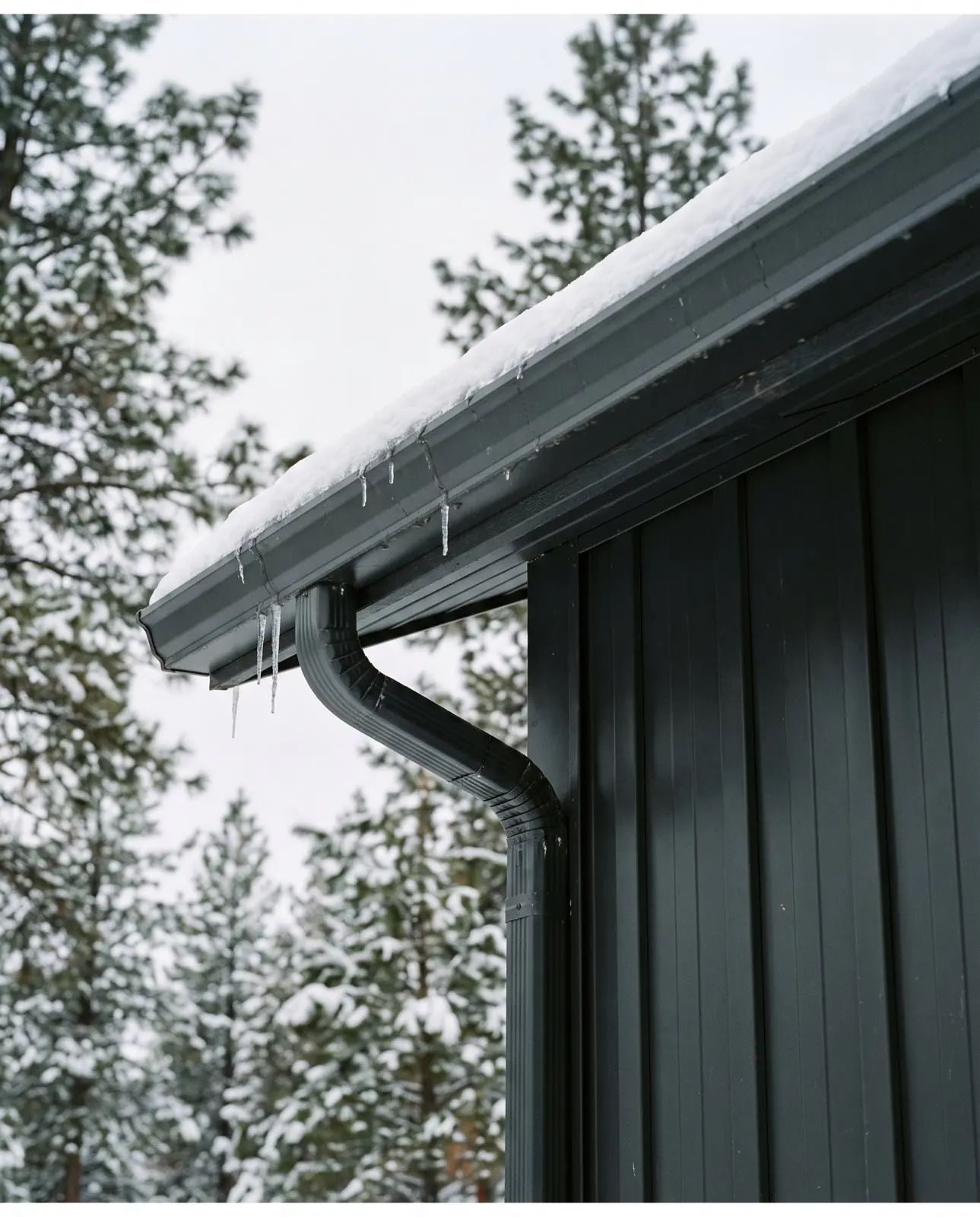
Vinyl is a plastic, and plastics get stiffer and more brittle as they get colder. When a 60-degree afternoon drops below zero overnight, a panel that would flex in July can crack when it’s hit by a snow shovel, a ladder or a chunk of ice sliding off the roof.
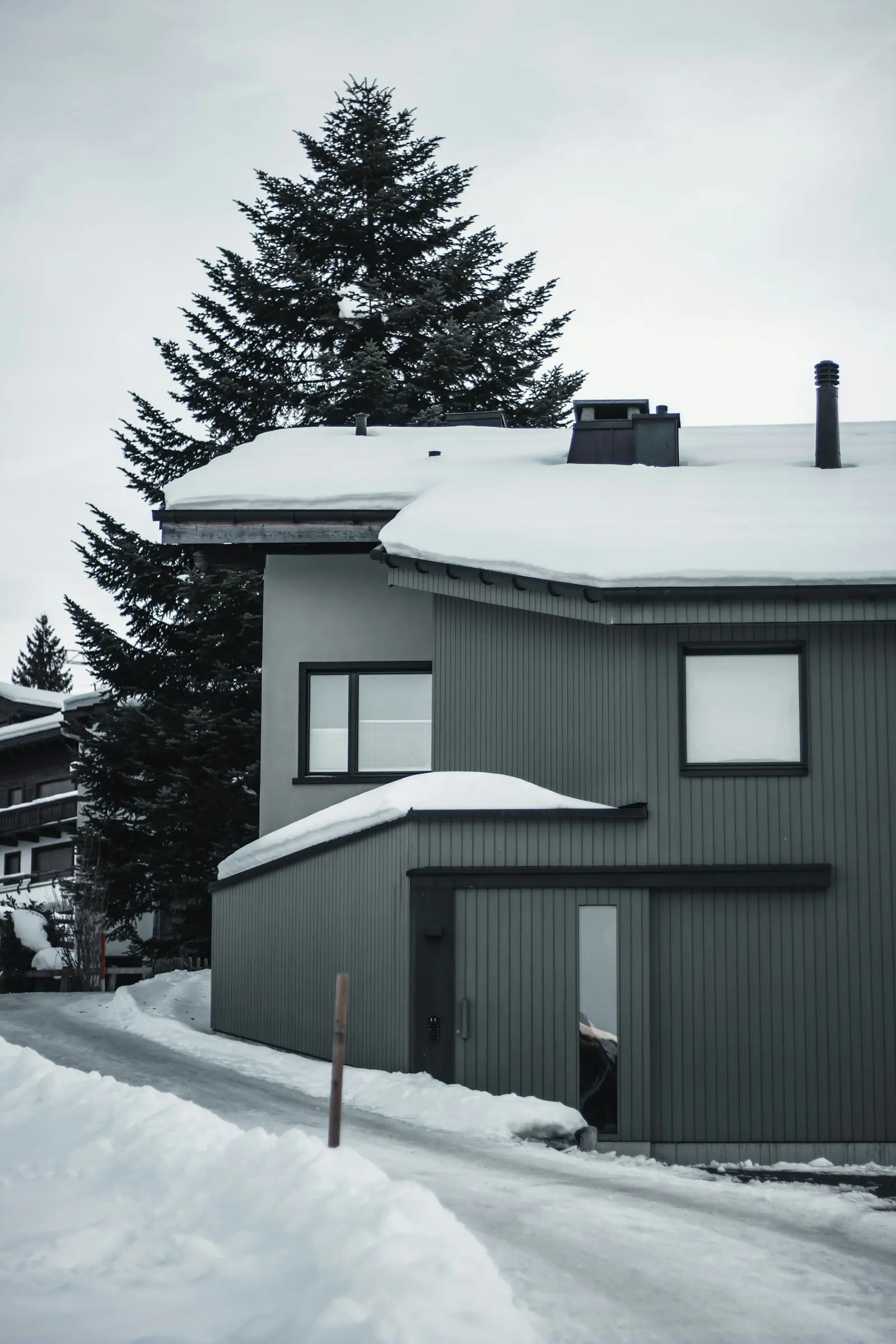
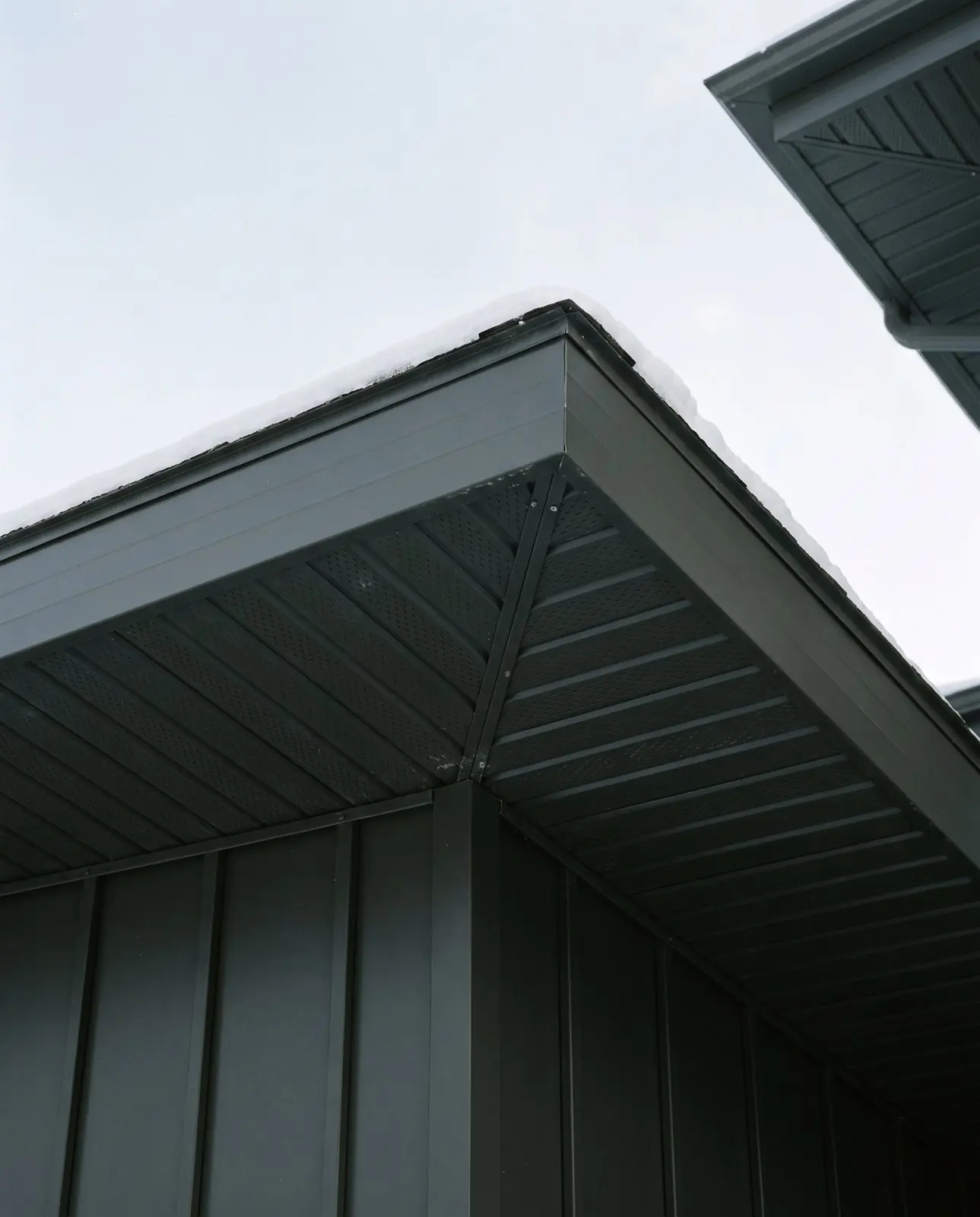
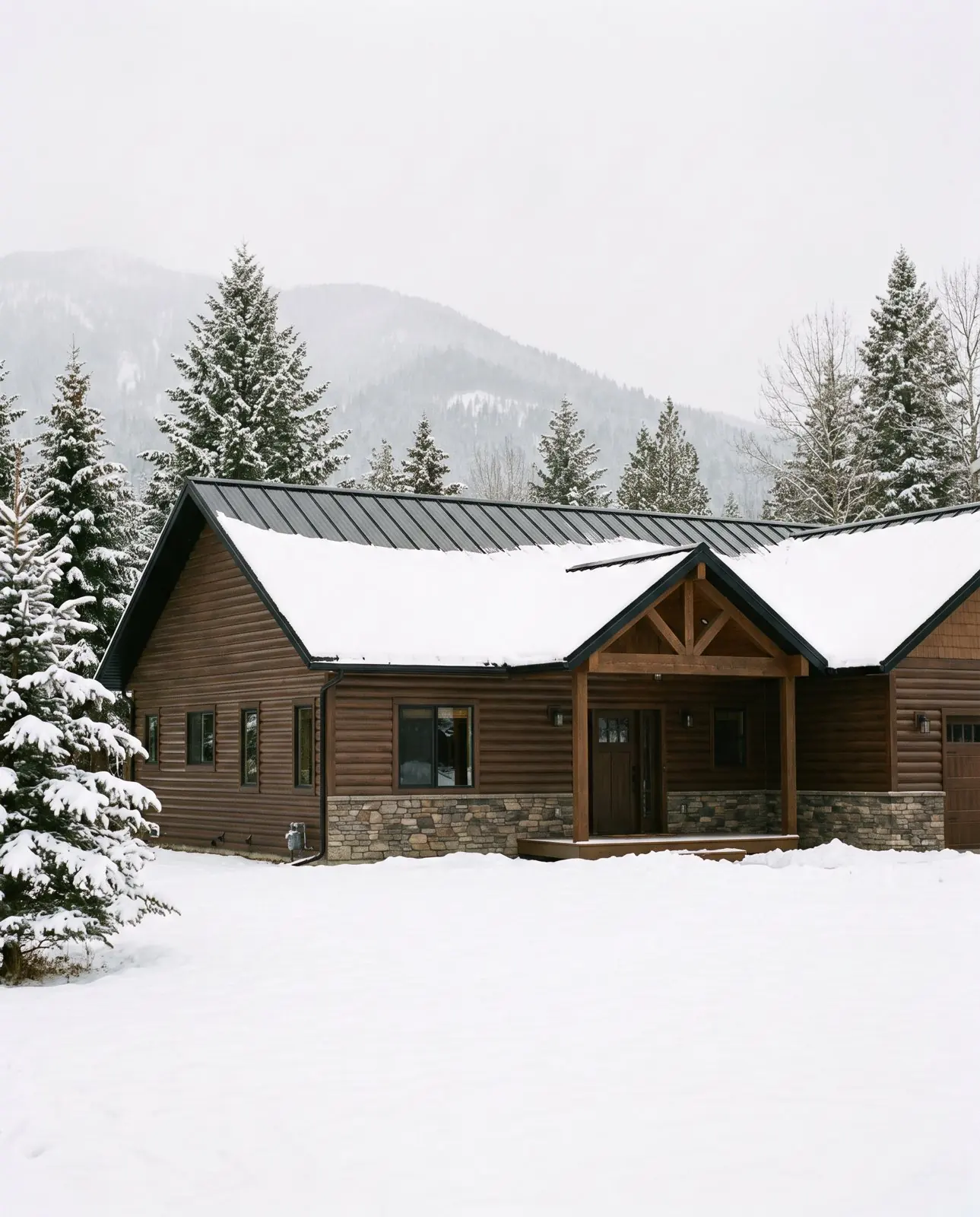
Heavy-gauge steel doesn’t change character in the cold. It’s as tough on a January morning after a chinook as it is in August, which is a big part of why so many Front Range homes end up in steel.
Hail, rocks and everything else
Hail is the other half of the story, and the Front Range gets more of it than almost anywhere in the country. Vinyl can crack or puncture in a hard storm, and once there’s a hole, water gets behind it. Our siding is heavy-gauge, hot-dipped G-90 galvanized steel, and it stands up to the kinds of storms that crack plastic panels.
Seams are where water gets in
Vinyl comes in 12-foot pieces that are overlapped on the wall, so a long wall ends up with a joint in every course. Snow piles against those joints, melt runs into them, and insects find them too.
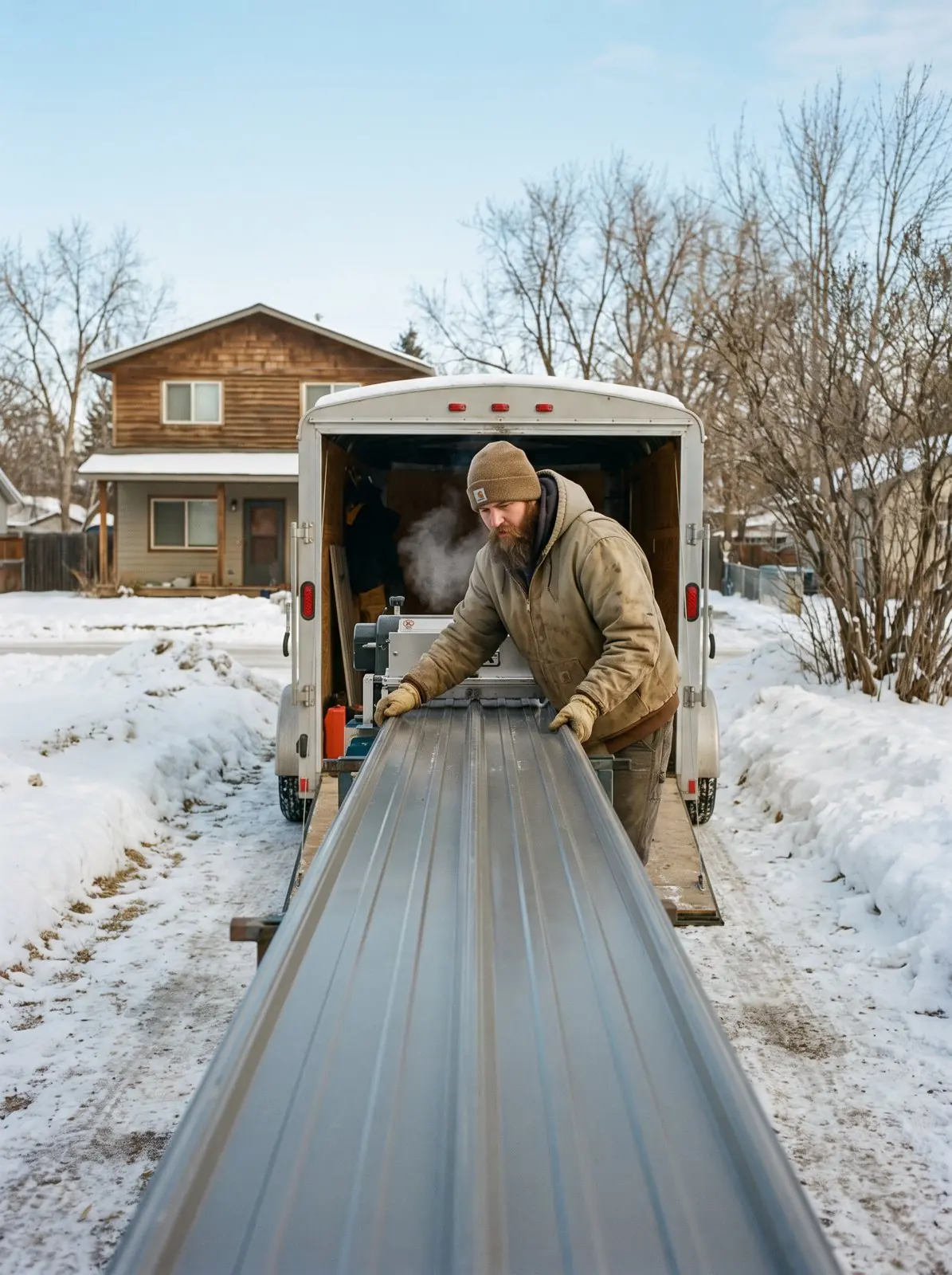
We roll our steel siding from coil in your driveway and cut each piece to the full length of the wall. One piece per course, corner to corner, with nothing to get behind.
Fading, painting and the long run
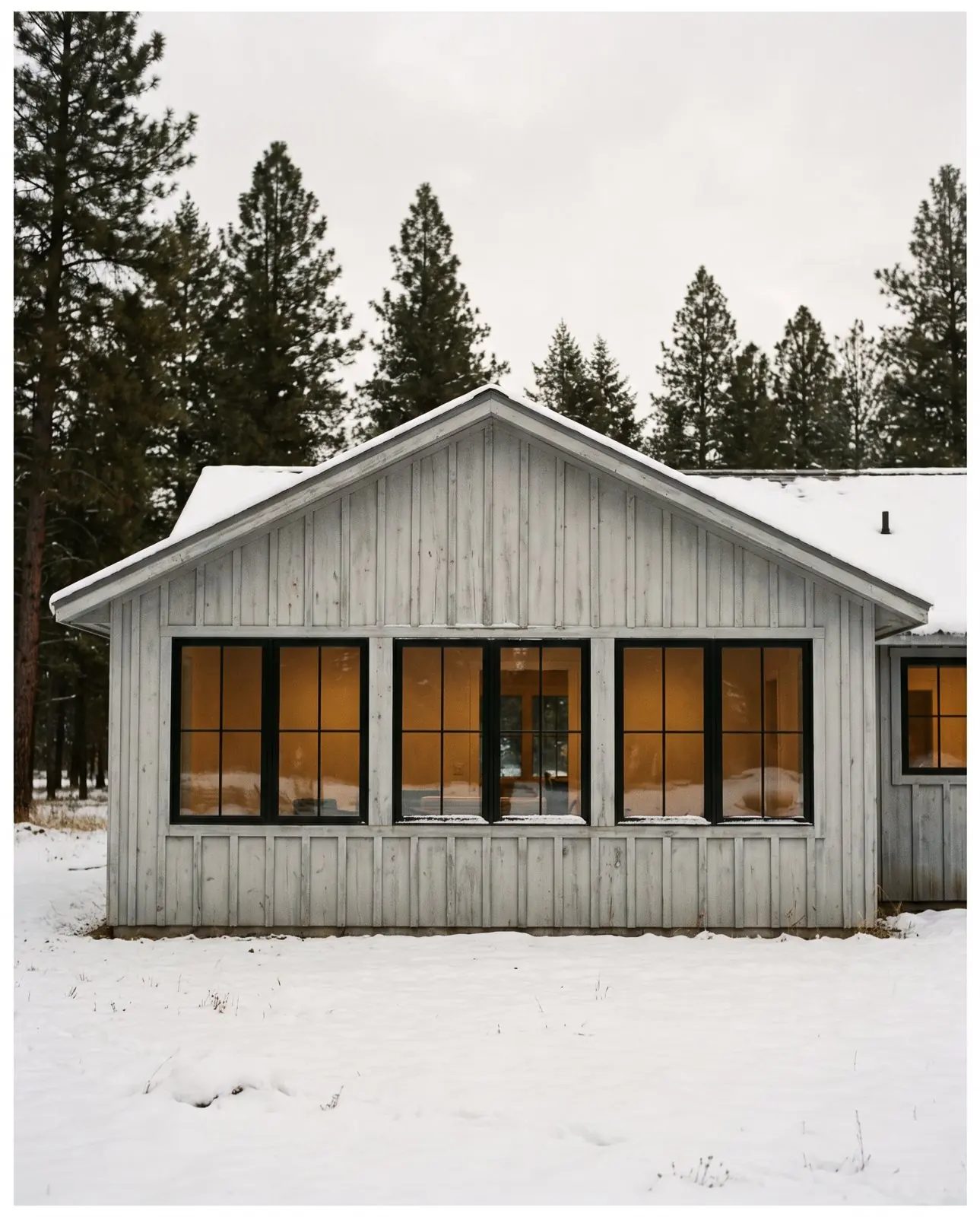
Vinyl fades in strong mountain sun, and you can’t really fix it. Painted wood needs a fresh coat every few years. Our steel siding carries a finish that’s guaranteed never to flake, peel or chip, and a lifetime, non-prorated, transferable warranty.
Steel costs more than vinyl up front. For a lot of homeowners here, it’s the last siding the house will need, and that changes the math.